Slide-On Camper Guide Australia:
What to Know Before You Buy
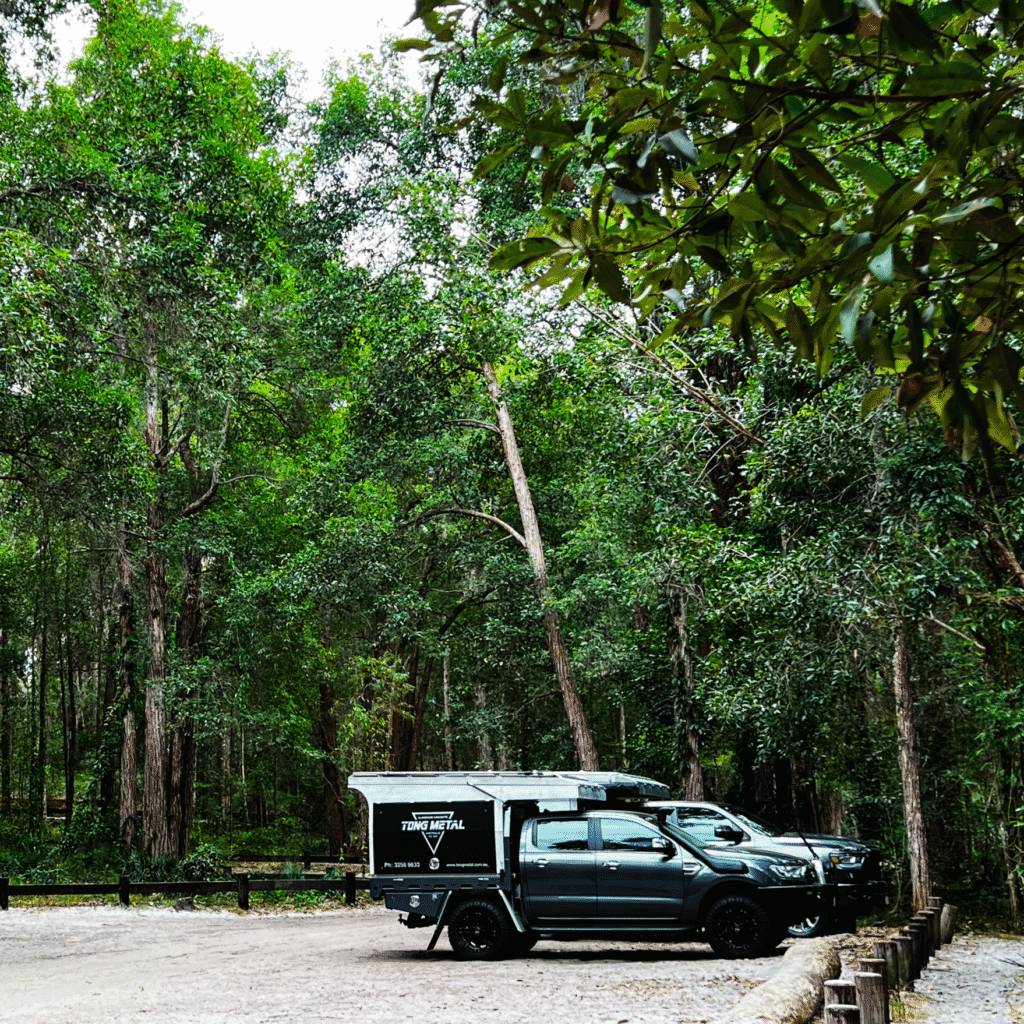
A slide-on camper, also known as a ute camper or tray-back camper, is a removable camping unit designed to sit directly on the tray of a ute.
For Australian travellers looking to explore remote campsites, 4WD tracks and the outback, a slide-on camper provides sleeping and living space without the need to tow a caravan or camper trailer.
Choosing the right slide-on camper involves more than comparing layouts and fit-outs. Your ute’s payload, GVM, axle limits, tray dimensions, camper weight, construction and intended style of travel all need to be considered.
Tong Metal has been manufacturing aluminium ute bodies in Brisbane for more than 20 years. This guide explains what to look for when choosing a slide-on camper and how the camper, ute and tray work together as one complete touring setup.
What Is a Slide-On Camper?
A slide-on camper for a ute is a removable camper body that mounts directly onto the vehicle’s tray rather than being towed behind it.
When fitted, it provides a dedicated sleeping and living space for touring. When the camper is removed, the ute can return to normal tray-back use.
Slide-on campers are particularly suited to people who want one vehicle to serve multiple purposes, from everyday work and driving to weekend camping and longer 4×4 touring trips.
Tong Metal slide-on campers are designed specifically for flat-tray utes and can be paired with an aluminium ute tray to create a complete tray and camper setup.
Why Choose a Slide-On Camper for 4WD Touring?
| Slide On Camper | Caravan | Rooftop Tent | |
|---|---|---|---|
| Towing required | No | Yes | No |
| Living Space | Yes | Larger | Limited |
| Removable | Yes | Yes | Inconvenient |
| Compact Touring Setup | Yes | Less Compact | Yes |
| Indoor Living Area | Yes | Yes | No |
Compact Without Giving Up Interior Space
A key benefit of the Tong Metal design is the amount of usable interior space created within a footprint similar to a ute canopy.
The Z Roof and curved rear section expand the sleeping and living area when the camper is set up, while keeping the overall camper compact on the vehicle.
For travellers who don’t want the size of a caravan or large expedition body, this provides a practical balance between interior comfort and vehicle size.
What to Consider Before Choosing a Slide-On Camper
Choosing a slide-on camper is not just about the interior layout or how much storage it has. The camper, ute, tray and everything you plan to carry need to work together as one complete touring setup.
Before choosing a slide-on camper for 4WD touring, off-grid travel or longer outback trips, consider the following.
Vehicle Payload and GVM
Your ute has a maximum amount of weight it can legally carry. The available payload needs to cover more than just the slide-on camper. It also includes the tray, passengers, fuel, water, accessories, recovery gear, food and everything else loaded into the vehicle.
The vehicle’s Gross Vehicle Mass (GVM) is the maximum permitted total weight of the vehicle when loaded. Before building a camper setup, it is important to understand how much usable payload remains once the tray and other permanent accessories have been fitted.
For heavier or fully fitted touring setups, a GVM upgrade may be required, depending on the vehicle and final loaded weight.
Camper Dry Weight
When comparing slide-on campers, check what is included in the quoted dry weight.
A camper shell with a simple fit-out can weigh considerably less than a fully equipped camper with cabinetry, batteries, solar panels, fridge, water system and other touring equipment.
For example, a fully fitted dual cab Tong Metal Dimple Plate camper weighs approximately 680 kg dry. Water, food, personal gear and other items carried for a trip will increase the final travelling weight.
This is why comparing camper weights only makes sense when you also understand what is included in that weight.
Loaded Travel Weight
The weight that matters most when travelling is the weight of your complete setup once everything is loaded.
Depending on how you travel, this can include:
- water
- fuel
- passengers
- food and drinks
- camping equipment
- recovery gear
- spare wheels
- tools
- fridge contents
- outdoor furniture and equipment
For remote and outback touring, it is particularly important to allow enough payload for these items because you may need to carry more water, fuel, food and recovery equipment than you would for a weekend trip close to home.
Axle Loads and Suspension
GVM is only one part of the vehicle’s weight limits. The load also needs to be distributed within the permitted capacity of the front and rear axles.
Suspension should also be suitable for the expected travelling weight. Depending on the vehicle and camper configuration, suspension or GVM upgrades may be required to maintain appropriate load carrying capacity and vehicle handling.
For a touring build, it is better to consider the camper, tray, suspension and vehicle weights together rather than treating them as separate upgrades.
Tray Size and Vehicle Configuration
The size of camper you can carry will also depend on your ute’s cab configuration and available tray length.
A dual cab generally has less tray length available than an extra cab or single cab, while a single cab can accommodate a larger full-size camper setup.
Tong Metal offers different camper sizes to suit different vehicle configurations, from more compact canopy-style campers through to larger touring setups.
The tray dimensions and camper footprint should therefore be considered together before selecting a camper.
Storage and Carrying Capacity
For longer 4WD and outback trips, storage becomes just as important as the living space inside the camper.
Think about where you will carry items such as:
- recovery equipment
- tools
- camping chairs and tables
- spare parts
- cooking equipment
- gas bottles
- spare wheels
- outdoor gear
A slide-on camper can also be combined with an aluminium ute tray and under-tray storage to make better use of the available space.
However, every storage box and accessory also adds weight, so storage requirements should be balanced against the vehicle’s available payload.
Electrical and Water Requirements
Think about how long you want to be able to travel without relying on powered campsites or regular access to services.
A simple weekend setup may only require basic lighting, refrigeration and water storage. For longer off-grid or remote touring, you may want a larger electrical system with solar, battery charging, refrigeration and greater water capacity.
The right setup depends on how you travel rather than simply installing the largest system possible. Larger batteries, water tanks and equipment provide more capacity, but they also increase the overall weight of the camper.
Camping and Touring Style
Finally, consider where and how you actually plan to use the camper.
Someone travelling mainly for weekend trips has very different requirements from someone planning extended trips through remote Australia.
For longer-distance or outback touring, factors such as camper weight, construction, dust and water resistance, water capacity, electrical independence, storage and ease of setup become increasingly important.
A good slide-on camper setup should balance comfort and equipment with the vehicle’s carrying capacity, so you have what you need without unnecessarily adding weight and complexity.
Tong Metal Slide-On Camper Design
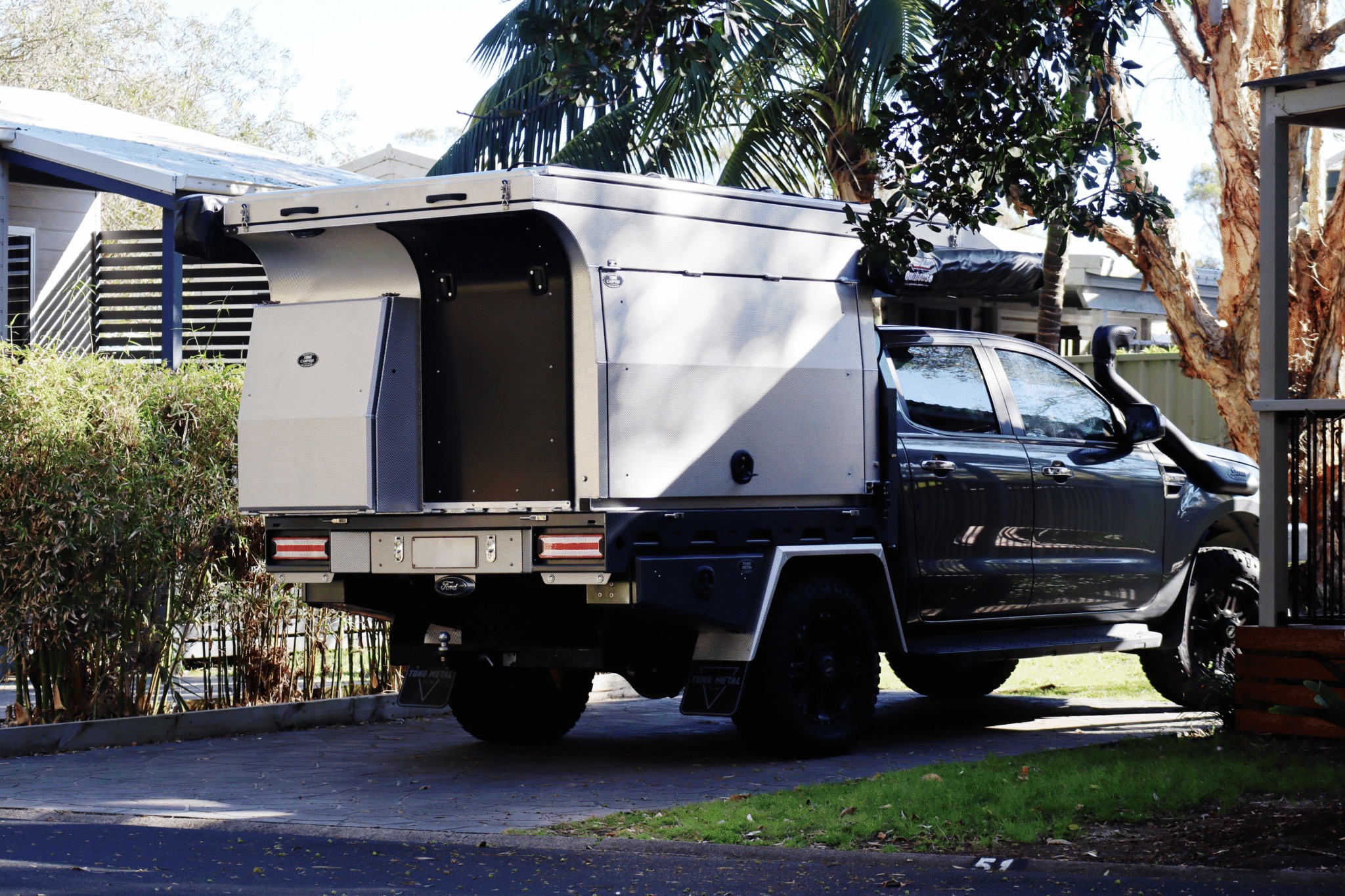
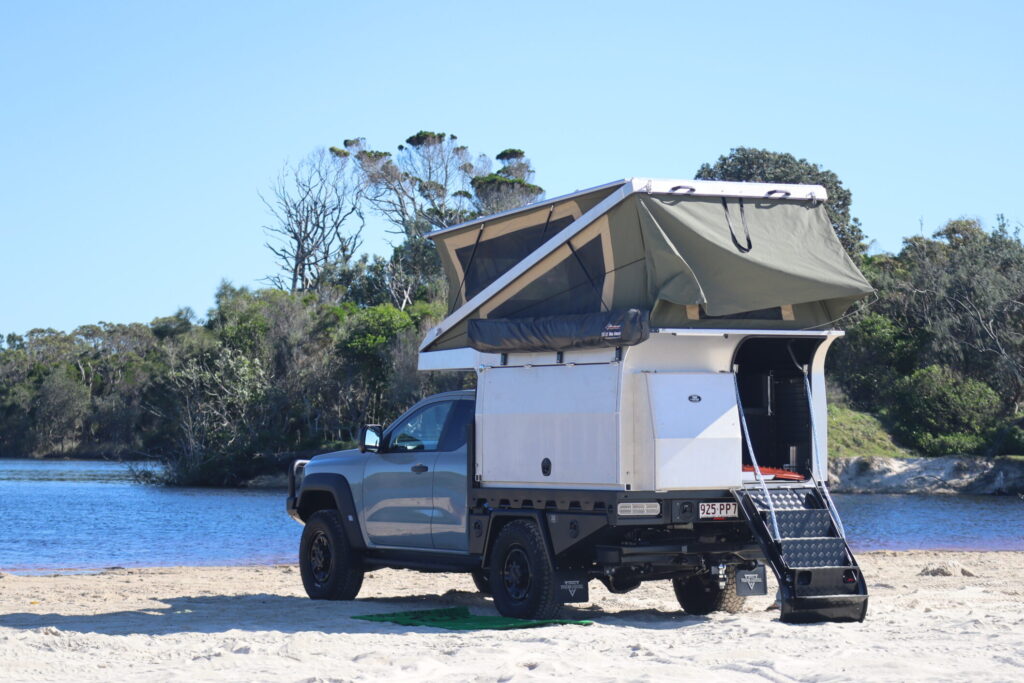
Tong Metal slide-on campers are designed to travel compact and open up into a spacious, enclosed living area when you arrive.
The Z Roof double-roof design creates generous headroom and living space without making the camper overly bulky on the ute. In colder weather, the upper roof can remain lowered to reduce the interior volume and make the camper easier to warm.
The signature curved rear wall helps maximise usable interior space while creating practical rear access and a distinctive camper profile.
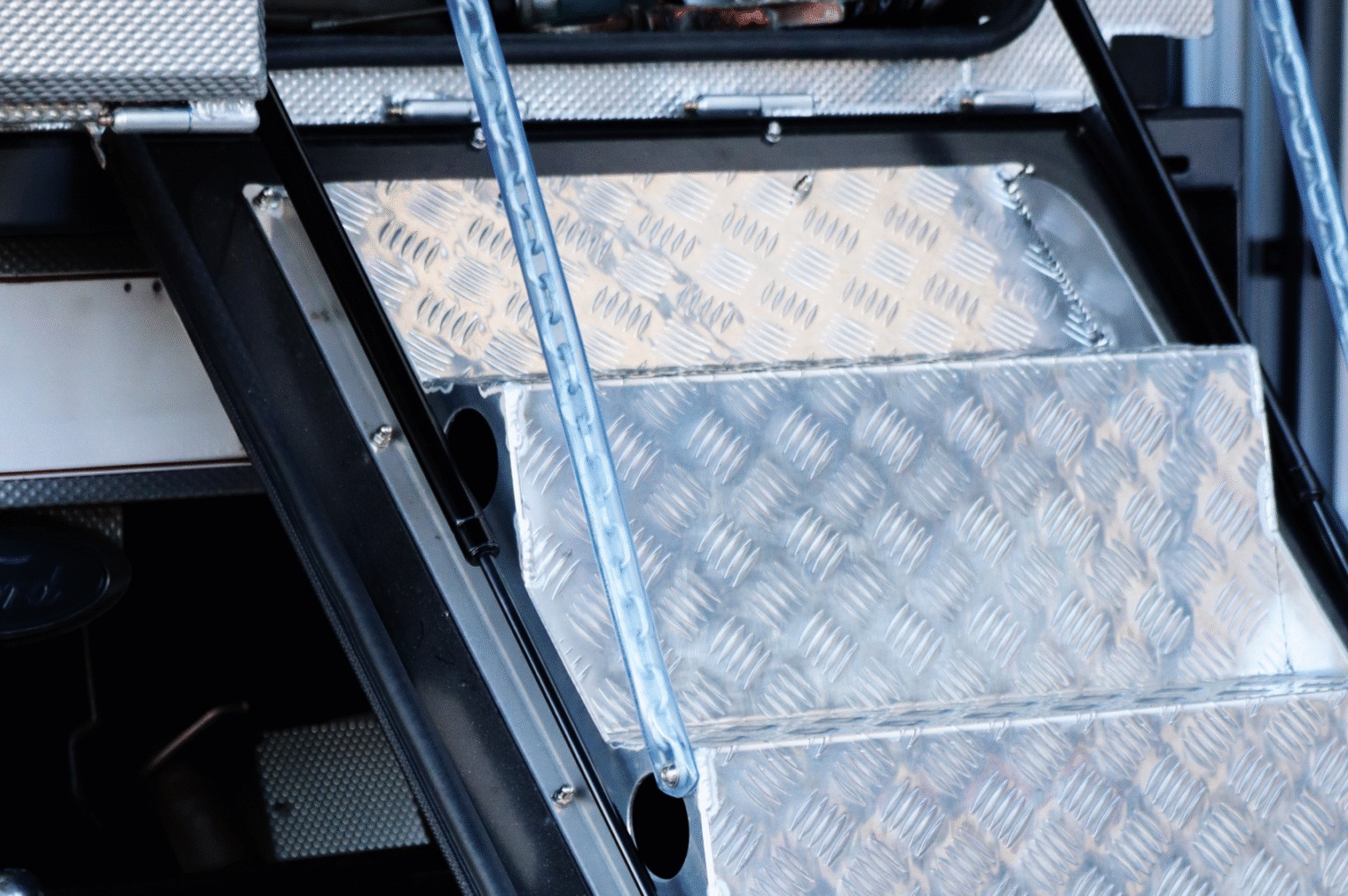
Integrated fold-down stairs make getting in and out simple without needing to carry a separate ladder or step system, which is especially useful when stopping regularly during a trip.
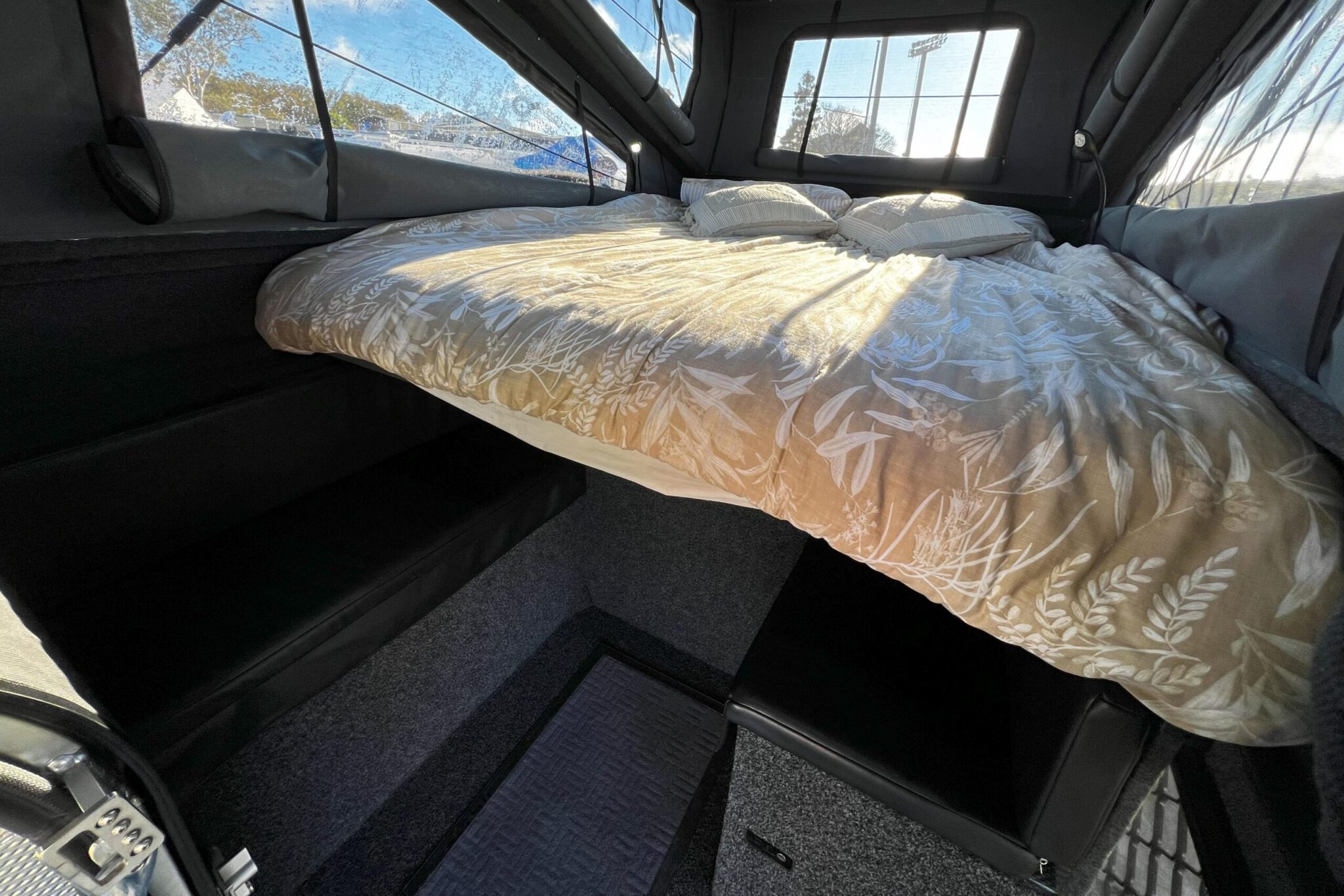
Once set up, the camper creates a fully enclosed living area with screen doors, allowing airflow through the camper while helping keep insects out. This makes the space more comfortable for relaxing, eating and sleeping, particularly in warmer or remote areas.
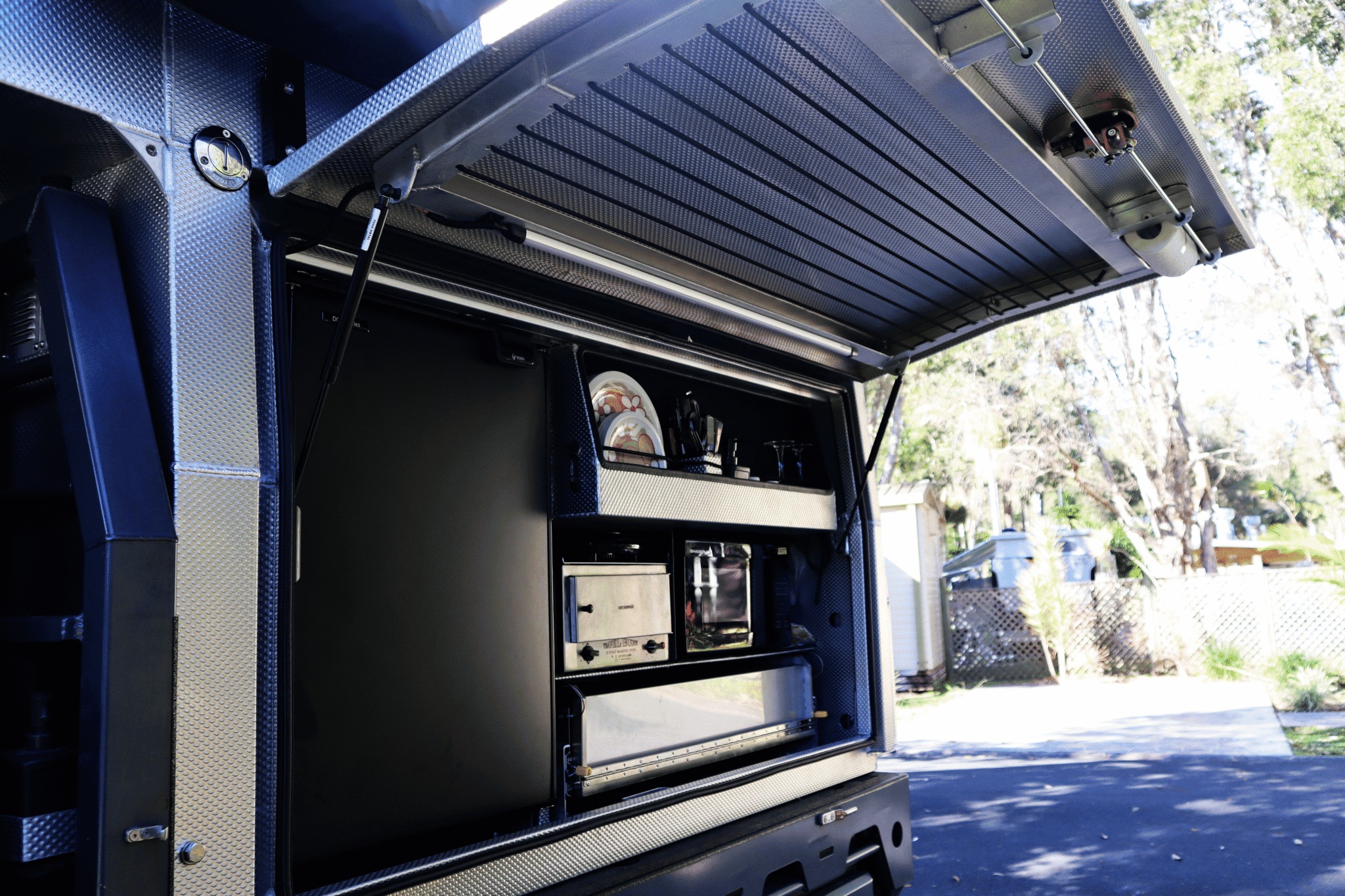
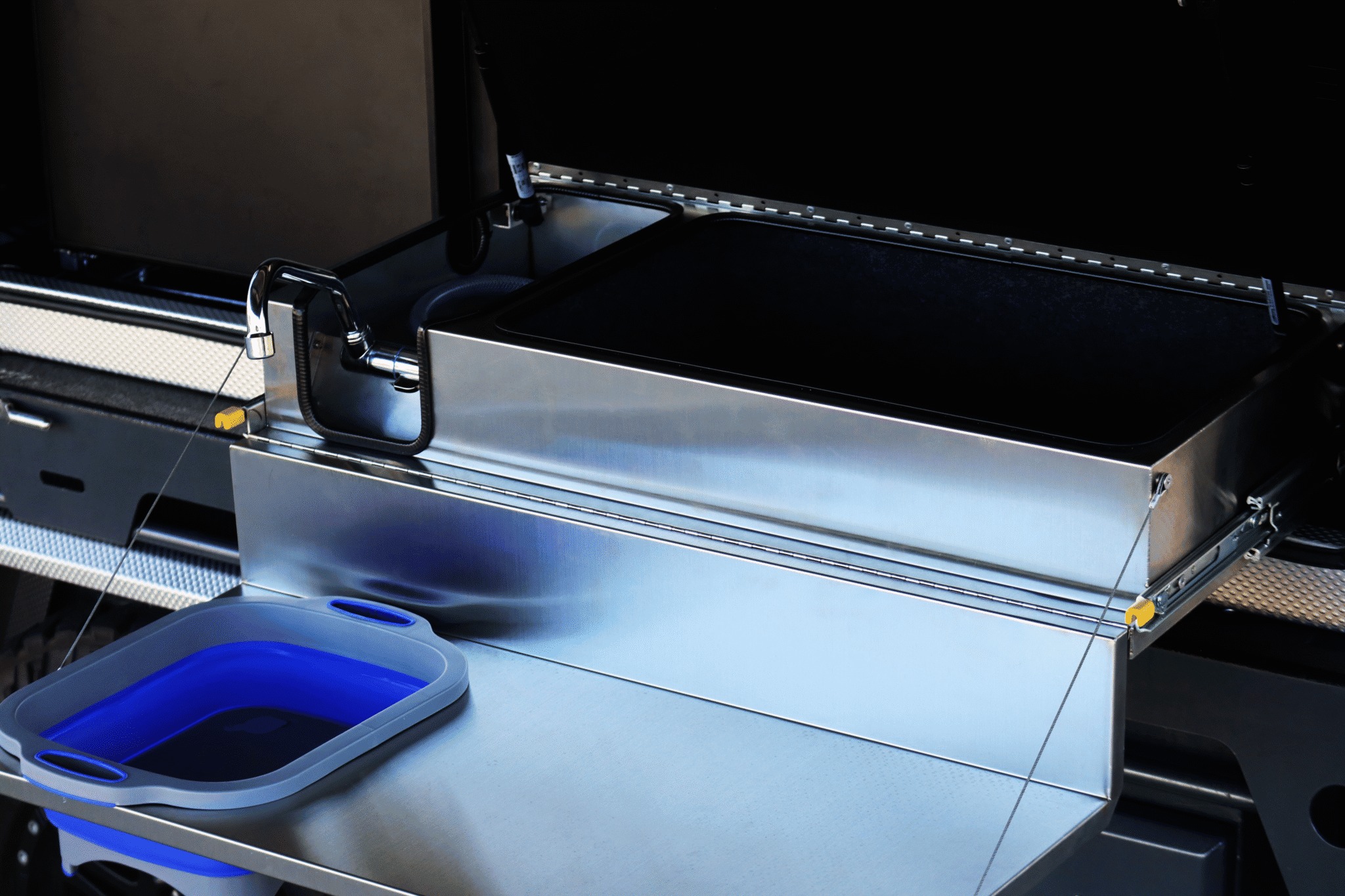
A dedicated outdoor kitchen setup keeps cooking outside the main living area, with organised storage for everyday essentials such as cups, plates, cutlery, pots and pans.
The camper is built from marine-grade aluminium, with sealed doors to help improve dust and water resistance when travelling on unsealed roads.
Tray, Storage, Electrical & Water Setup
A slide-on camper is only one part of a complete touring setup. The tray, storage, electrical and water systems all need to work together around the vehicle’s available space and carrying capacity.
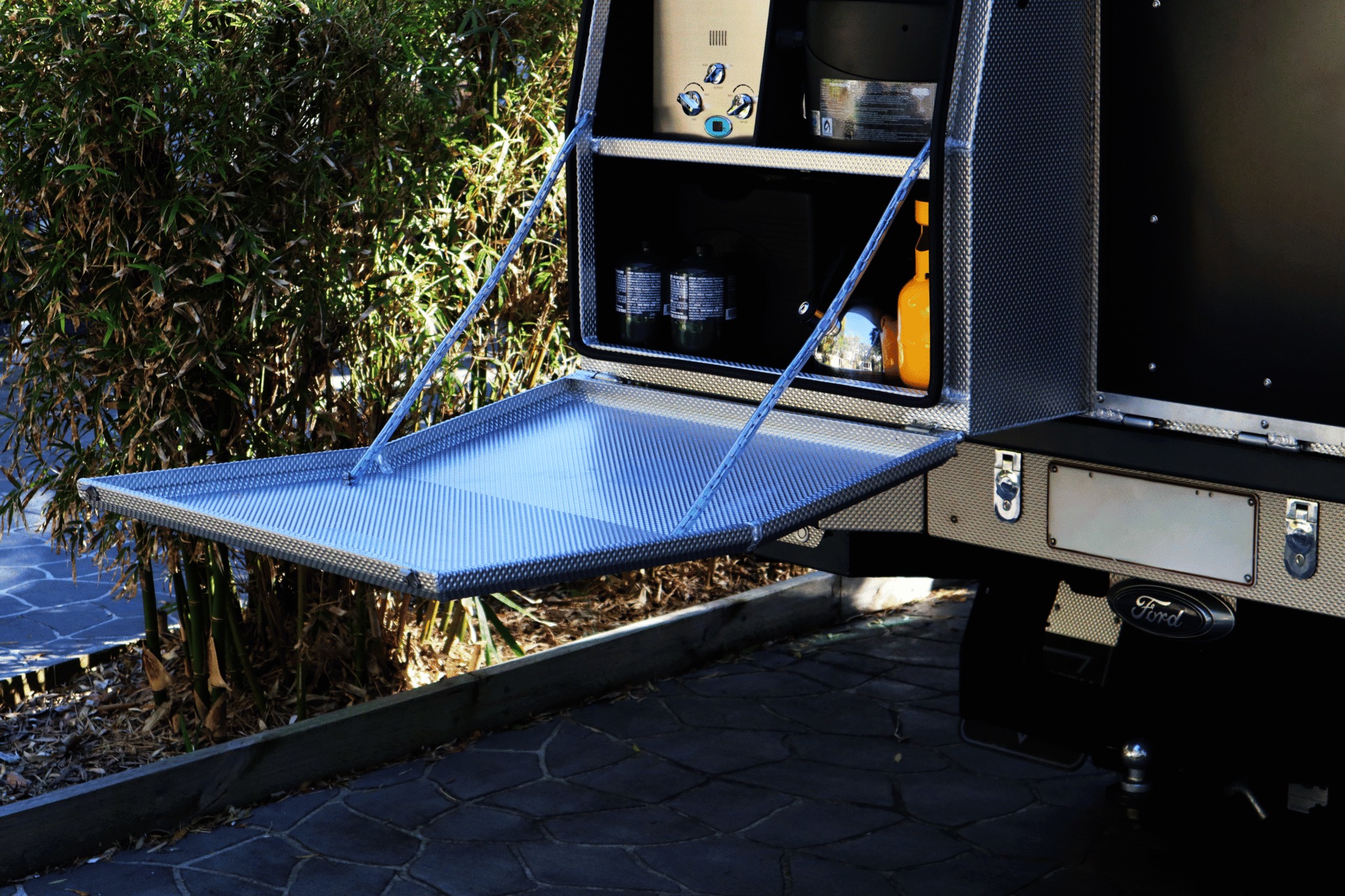
Tong Metal campers can be paired with our aluminium ute trays, toolboxes and under-tray storage to create dedicated space for recovery equipment, tools, cooking gear and other touring essentials.
For longer off-grid and remote trips, the camper can also be fitted with solar, battery charging, lighting, refrigeration and water storage to reduce reliance on powered sites and services.
The setup can be kept simple for weekend travel or built into a more complete 4WD touring system for extended trips through regional and remote Australia.
Australian-Made Slide-On Campers Built in Brisbane
Tong Metal has more than 20 years of aluminium manufacturing experience, building ute trays, toolboxes, canopies and slide-on campers for Australian customers.
Our campers are designed, fabricated and assembled in-house in Brisbane, giving us direct control over the structure, workmanship and final build.
Every Tong Metal slide-on camper is backed by our 10-year structural warranty, providing added confidence for customers building a camper for long-distance and remote touring.
Looking to build your own touring setup? Explore our Australian-made slide-on campers or get in touch with our team to discuss the right camper and tray setup for your ute.

Frequently Asked Questions (FAQs) About Tong Metal Slide-On Campers
Tong Metal slide-on campers are designed to suit most utes fitted with a suitable flat tray. The correct camper size will depend on your ute model, cab configuration, tray dimensions and available payload. We offer different camper sizes and fit-out packages to suit anything from a simpler weekend touring setup to a more complete off-grid setup.
Yes. Tong Metal slide-on campers are designed specifically for flat-tray utes. A flat tray provides the correct mounting platform for the camper and also allows the camper to be removed when required. If you are setting up a new vehicle, the tray dimensions should be considered together with the camper rather than choosing them separately
Yes. All Tong Metal slide-on campers are built with a jack-off frame system, allowing the camper to be lifted off the tray when it is not in use. This means you can use the ute as a normal tray-back vehicle between trips, making a slide-on camper a practical option for owners who do not travel full time.
It depends on the vehicle and how the camper is fitted out. You need to consider the combined weight of the tray, camper, passengers, fuel, water, batteries, accessories, recovery gear and camping equipment against the ute’s payload, GVM and axle limits. For many fully fitted Tong Metal camper setups, a GVM upgrade may be required, so we recommend checking vehicle weights and suspension requirements before finalising the build.
Camper weight varies depending on the camper size, body material and level of fit-out. A basic camper shell will weigh less than a fully equipped touring setup with batteries, solar, water, fridge, cabinetry and additional storage.
As a guide, a fully fitted dual cab Tong Metal camper in Dimple Plate weighs approximately 680 kg dry. Once water, food, passengers and camping gear are added, the total travelling weight will be higher, so your ute’s payload, GVM and axle limits should always be checked as part of the complete setup.
Tong Metal slide-on campers are built with a marine-grade aluminium structure, providing a strong, corrosion-resistant foundation suited to Australian touring conditions.
The camper doors are fitted with seals to help improve dust and water resistance, which is especially important when travelling on unsealed roads and in changing weather conditions.
Each camper is designed and manufactured in-house in Brisbane, giving Tong Metal greater control over the structural design, fabrication, fit-up and final assembly.
For remote and outback touring, consider more than just the interior layout. Camper weight, structural durability, dust and water resistance, water capacity, battery and solar capacity, refrigeration, storage and ease of setup can all affect how practical the camper is when travelling away from towns and services.
Tong Metal slide-on campers are designed for 4WD tray-back vehicles and Australian touring conditions. The marine-grade aluminium structure, sealed doors, storage and available electrical and water systems make them suitable for everything from weekend trips to extended off-grid and remote touring. Your vehicle’s payload, GVM, suspension and complete loaded weight should always be considered when planning a remote touring setup.
Tong Metal slide-on campers are backed by a 10-year structural warranty on the aluminium structure. This reflects our focus on long-term structural durability and gives owners additional confidence when using the camper for touring and off-road travel.